Hello!
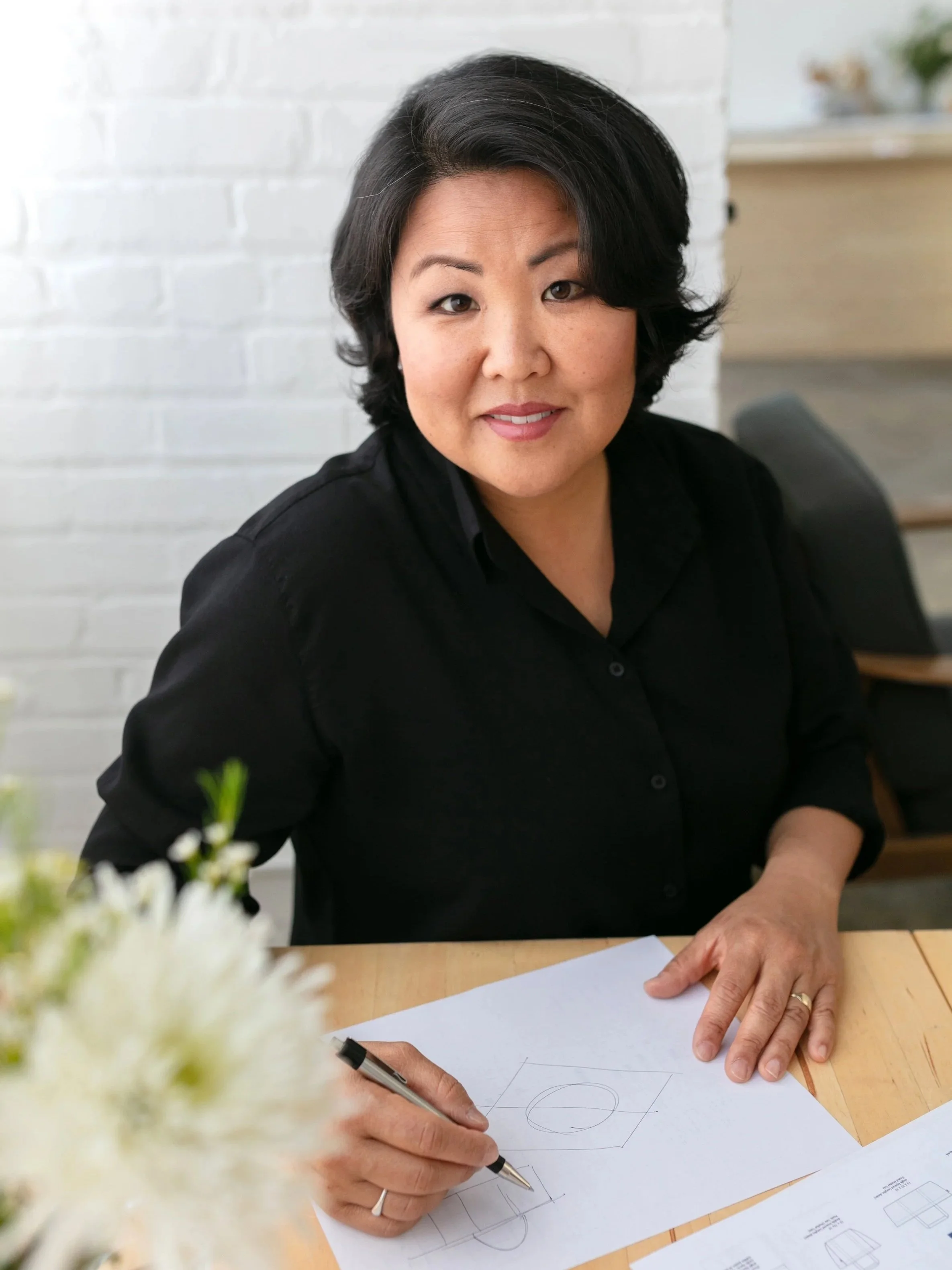
I am Shu, an industrial designer. Founder of Aplat and Chair of Industrial Design at California College of the Arts, my work brings together craft, life science, and emerging technologies to design better systems for human and planet health.
I continue to develop zero waste collections through Aplat and am beginning a new venture exploring circular pathways for businesses as global legislation pushes brands to rethink waste and overproduction.
Outside of work I reset in nature on trails, along the coast, or paddling out in the ocean. Cooking and gathering around the table remain my favorite ways to connect with friends and family. I am always exploring new tools, new questions, and new ways of shaping the future.
If these ideas resonate, drop me an email. I enjoy making new connections and conversations about designing better systems for the future.
Shu
-
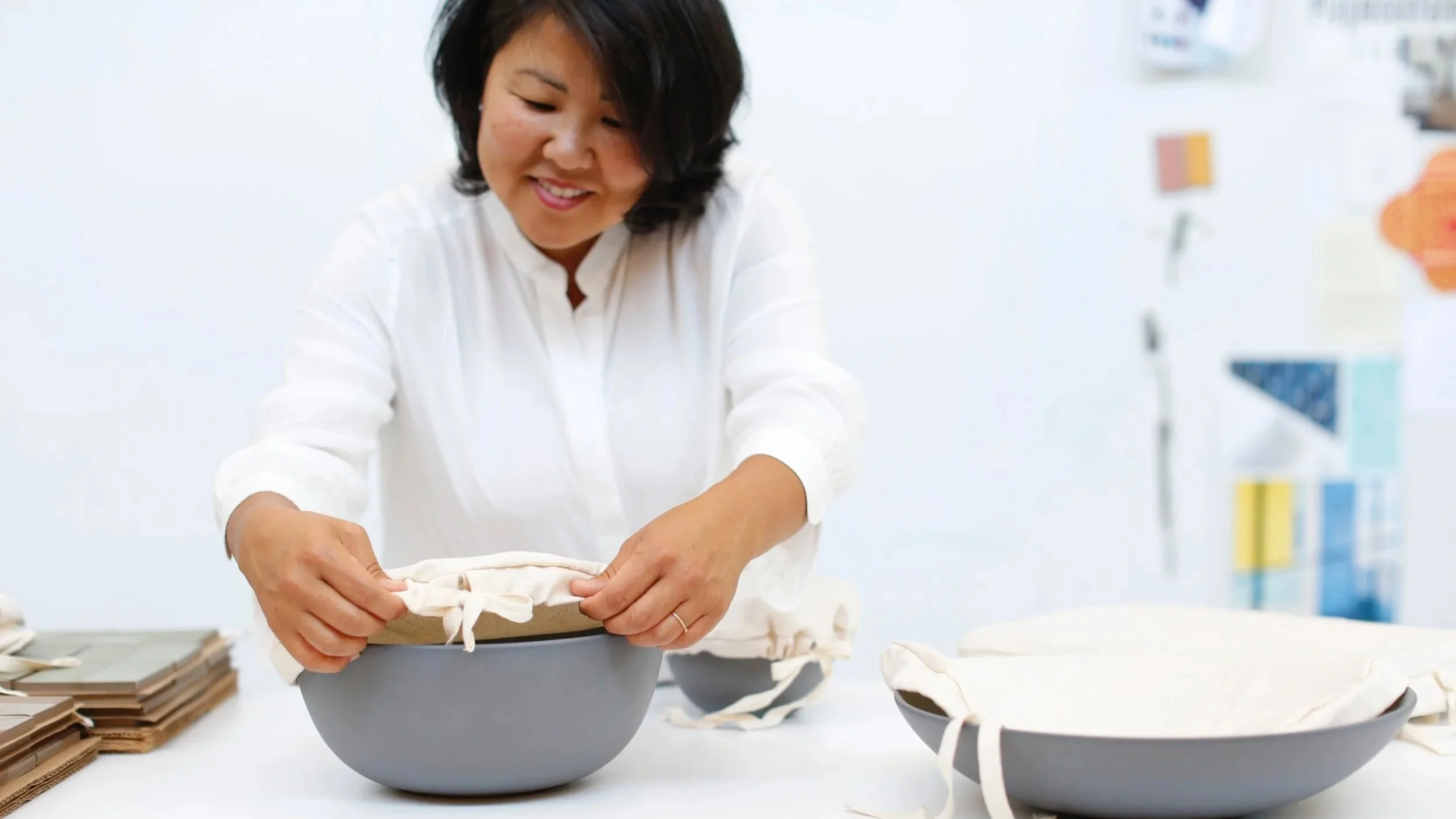
I founded Aplat from a love of food, family gatherings, and the simple rituals of sharing meals. The designs are inspired by nature’s patterns, the golden ratio, and origami principles that allow materials to fold, wrap, and function with minimal waste.
What began as an exploration of zero waste design has grown into a brand rooted in craft, food culture, and circular manufacturing. Working alongside chefs, bakers, farmers, and winemakers continues to shape the work and the ethos behind Aplat.
What I learned building a zero waste design company continues to evolve through helping other brands explore circular systems and emerging AI tools that support smarter operations and less waste. Learn more about Shu’s design principles for zero waste design at Aplat.com
-
Break Bread Together
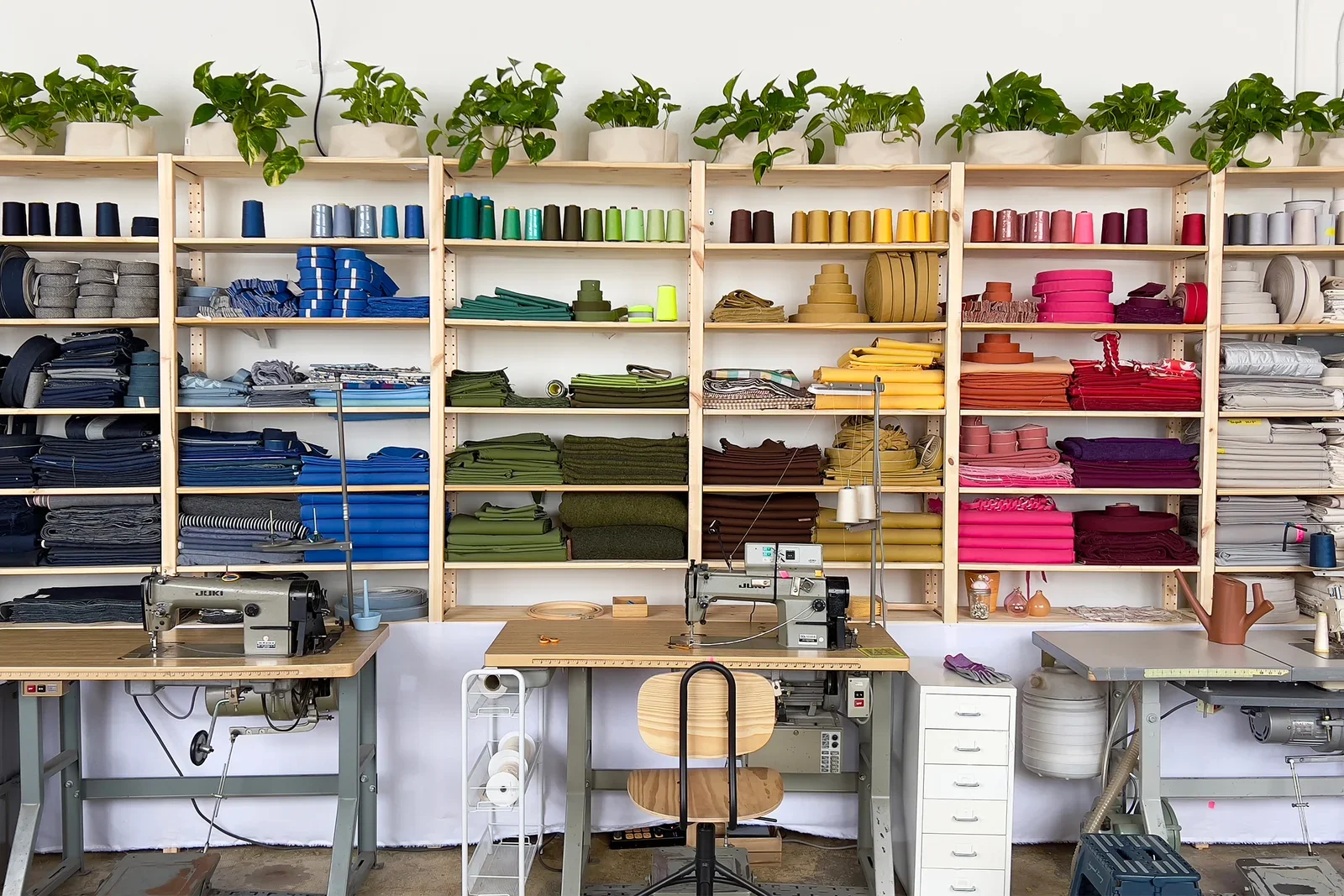
My husband and his family introduced me to the beautiful traditions of their French gatherings in Cagnes sur Mer, France. The Bertrands craft, grow, and build by hand–all practices rooted in daily tradition and connection. In their self-built home overlooking the Mediterranean Sea, they cook from the garden, make wine, and bake bread.
Bread and wine provided more than sustenance at meals–they served as meaningful traditions, memories of the past, and markers of special occasions. These beautiful experiences we shared at the dining table in France and the French art de Vivre inspired our food, wine, and garden products.
I draw inspiration from the convergence of Korean, French, and American cultures in all of our products. Through origami and zero-waste design principles, we create modern and sustainable products that pay homage to the daily rituals of sharing homemade food and wine with family and friends.
From breaking bread and pouring wine together, sharing flowers, or gifting something meaningful to friends, I hope you feel the love, heritage, and lived experiences ingrained into each design. Read more here.
-
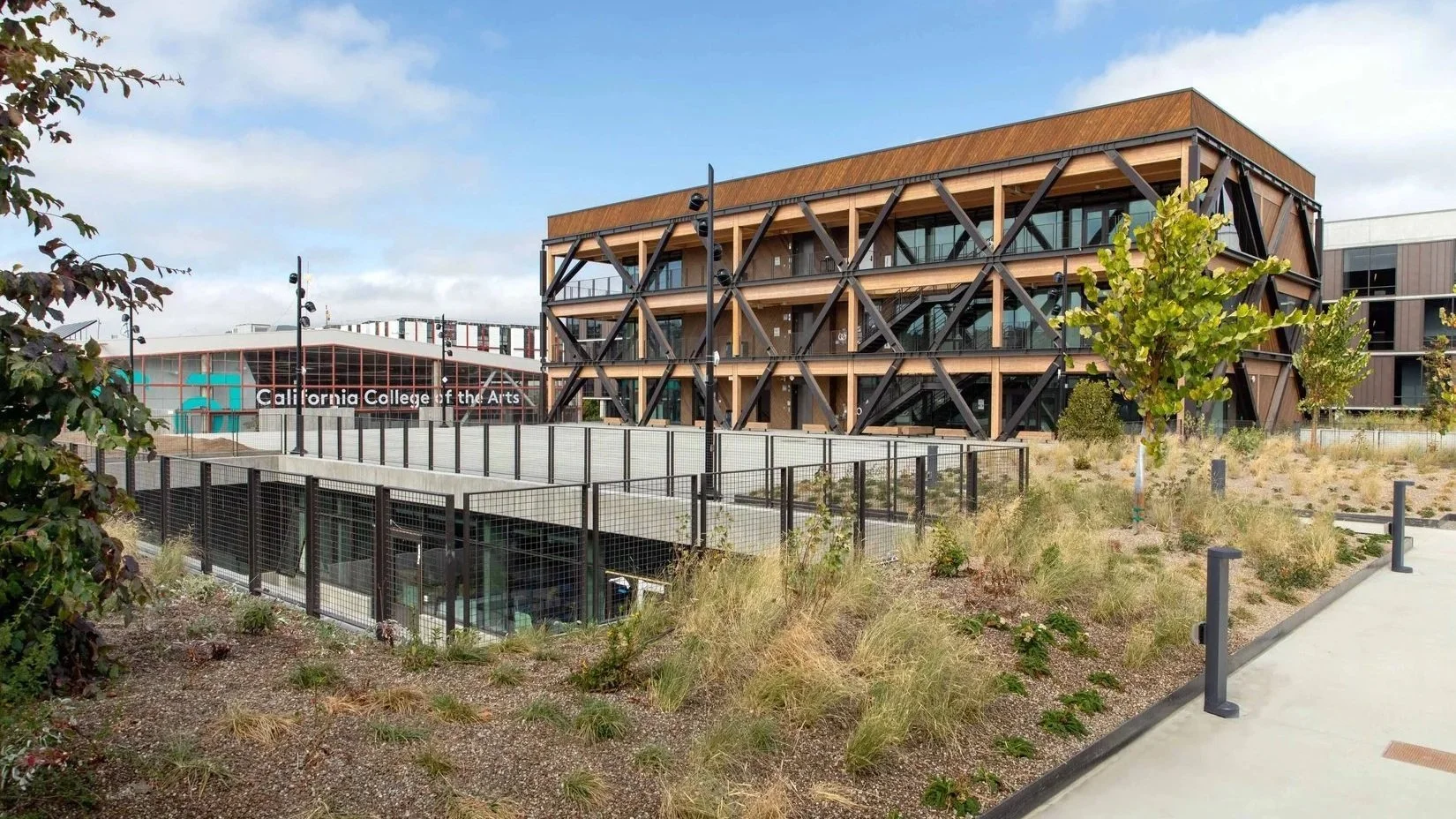
At California College of the Arts, I led the transformation of the Industrial Design BFA program, introducing circular design, life centered systems, material craft, creative technologies, and emerging AI tools into the core of the studio experience. I created CoLAB studios to bring industry directly into the classroom through sponsored design challenges and research collaborations. Partners such as Zoox joined students in exploring real world design problems and future technologies. Alongside teaching thesis studios, I developed mentorship and career programs connecting students with practicing designers and studios. Much of the work focused on guiding change across faculty and building a collaborative culture that reflects how design is practiced today.
As CCA enters a new chapter with Vanderbilt University, I believe its legacy of craft, experimentation, and forward thinking design will continue to evolve. Visit CCA here.
-
Complexity → Clarity : Zoox
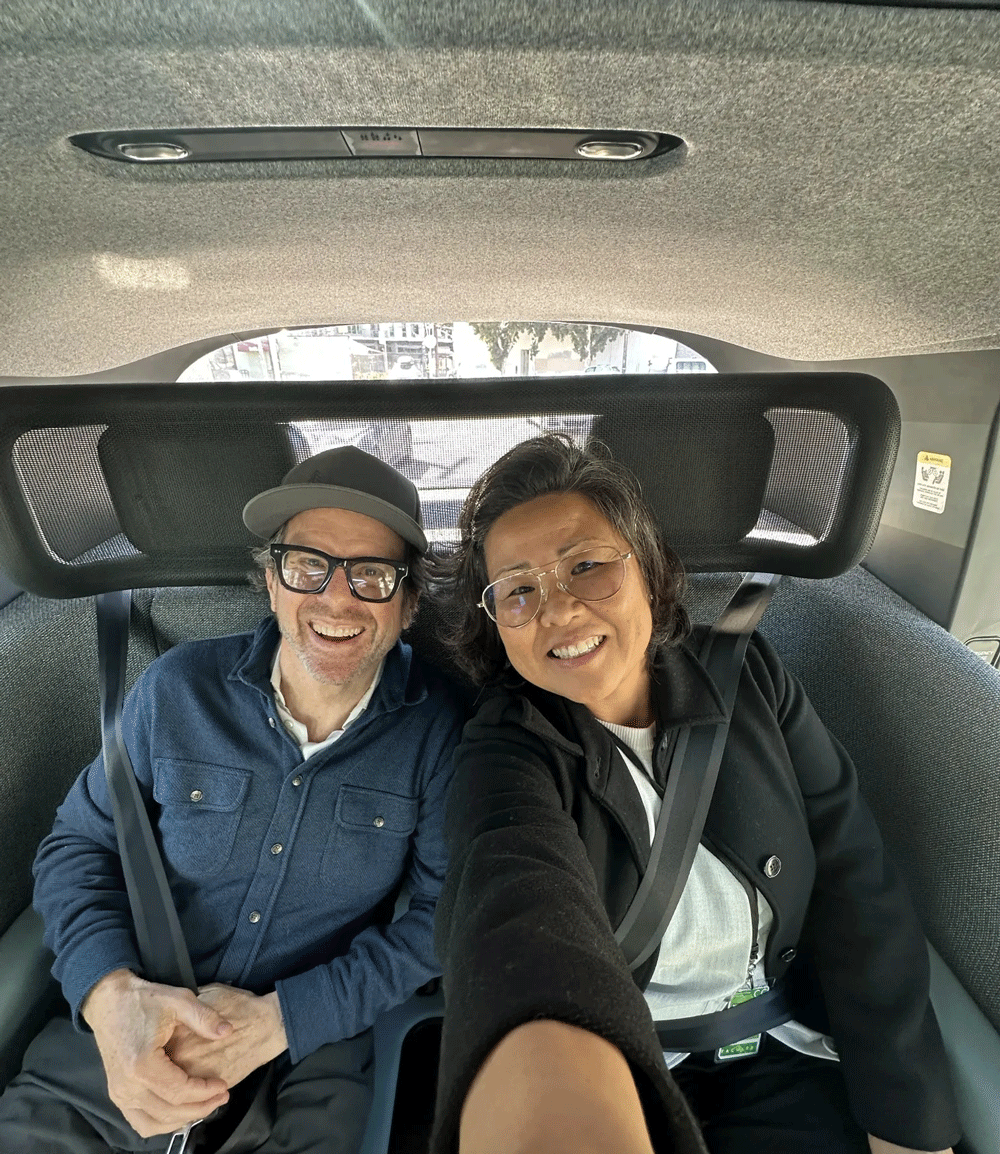
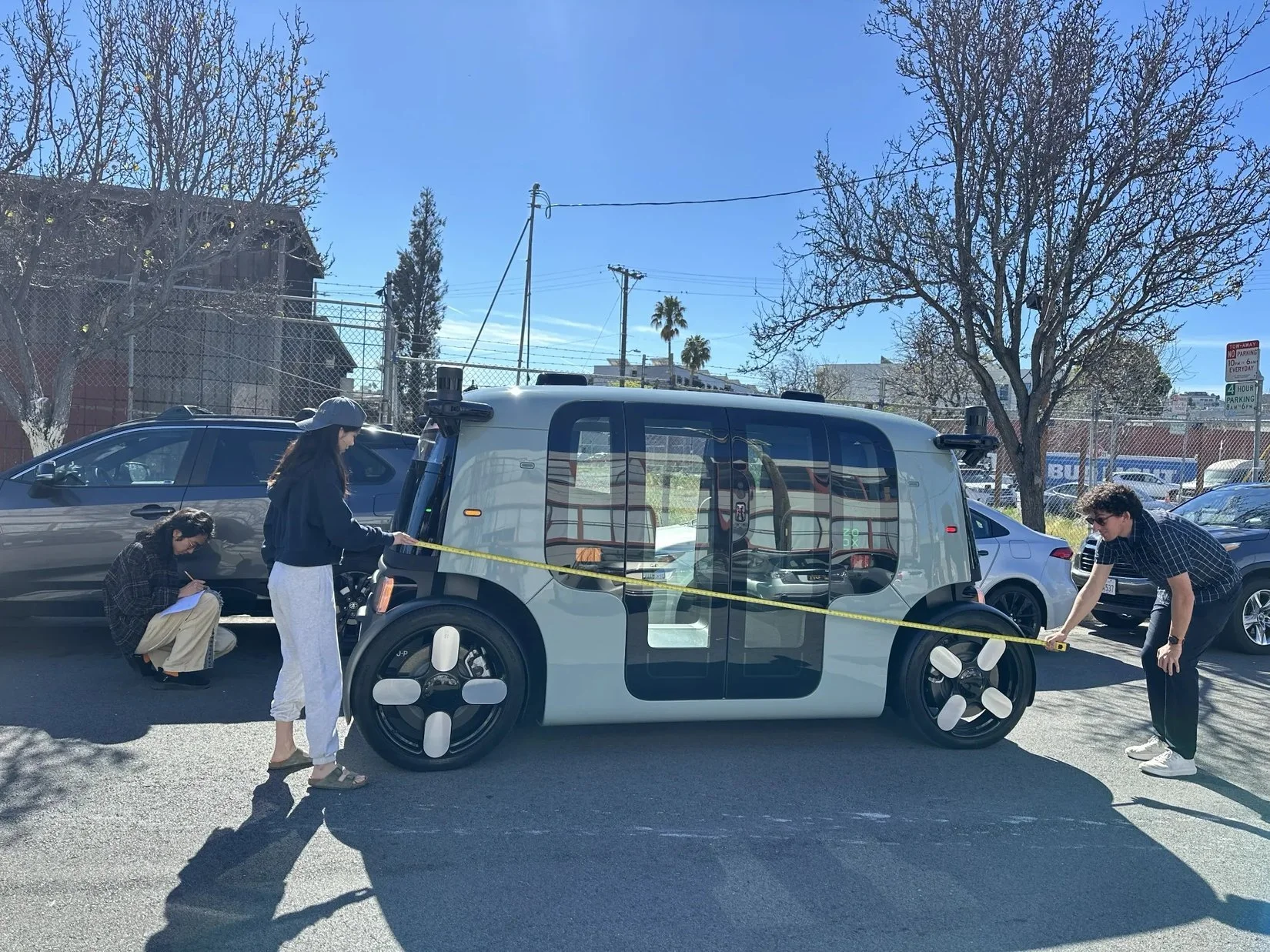
This spring, CCA partnered with Zoox and Autodesk to explore the future of autonomous mobility.
Photo by Shujan Bertrand.
The California College of the Arts (CCA) Industrial Design program recently partnered with Zoox and Autodesk on an interdisciplinary circular design initiative. The collaboration was started by Shujan Bertrand, Chair of Industrial Design, who spent two years architecting and developing the program alongside core industry partners.
What followed was a collaborative Zoox + Autodesk Design Challenge spanning four Bay Area schools: California College of the Arts, Academy of Art University, San José State University, and Diablo Valley College. The partnership began with private tours and research at Zoox's headquarters, culminating in a final concept showcase hosted at Autodesk HQ in San Francisco.
"This kind of partnership shows students how design practice applies beyond the classroom," says Bertrand. "Companies are looking for designers who can think past the obvious, show innovation through storytelling and rendering, and understand what it means to design in a city where so much is being prototyped and launched. That kind of relevant, real-world experience stays with students."
As part of this, Ian Coats MacColl, professor of Industrial Design, led the CCA Investigative Studio. There, students spent the semester exploring urban logistics, social behavior, and passenger experiences. Read his story below on how they turned complex research into clear, future-focused designs. Read more here.
