
Designing how we make, sense, and learn.
Designing at the intersection of circular products, sensory experiences, and education, imagining and building better ways of learning, working, and living.
→ Shu Bertrand
Design to Make
Circular products and systems for a regenerative economy.
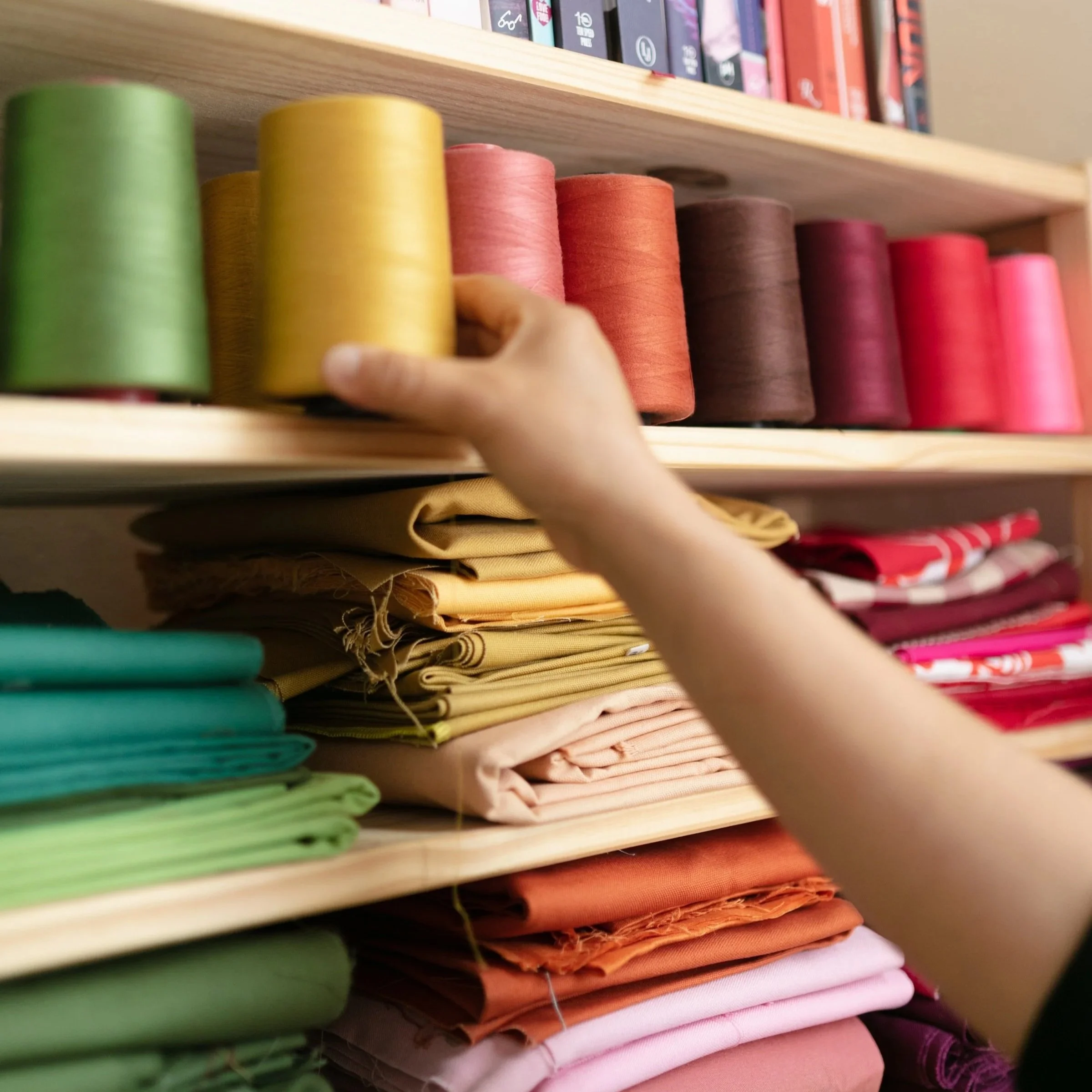
I founded Aplat, a San Francisco based zero waste design and manufacturing brand, to show that products and systems can be built differently. At Aplat I focus on reducing pre production waste, guided by one key insight: more than 80 percent of a product’s environmental impact is determined at the design stage (Ellen MacArthur Foundation). My work aims to eliminate that waste before it begins through pattern engineering, material efficiency, and design decisions that anticipate impact from the start.
Over the years I have shaped every part of the Aplat ecosystem, from materials and manufacturing to brand, ecommerce, and customer experience. Working closely with chefs, bakers, farmers, and winemakers, I help bring scalable, regenerative solutions to market, starting with how we make and how we share food and gatherings. I am now taking everything I have built with Aplat into a new chapter, combining craft, circular systems, and emerging AI tools to design and operate smarter within zero waste ecosystems. Design by Shu →
Design to Sense
Research frameworks that connect product design, brand, and sensory experiences.
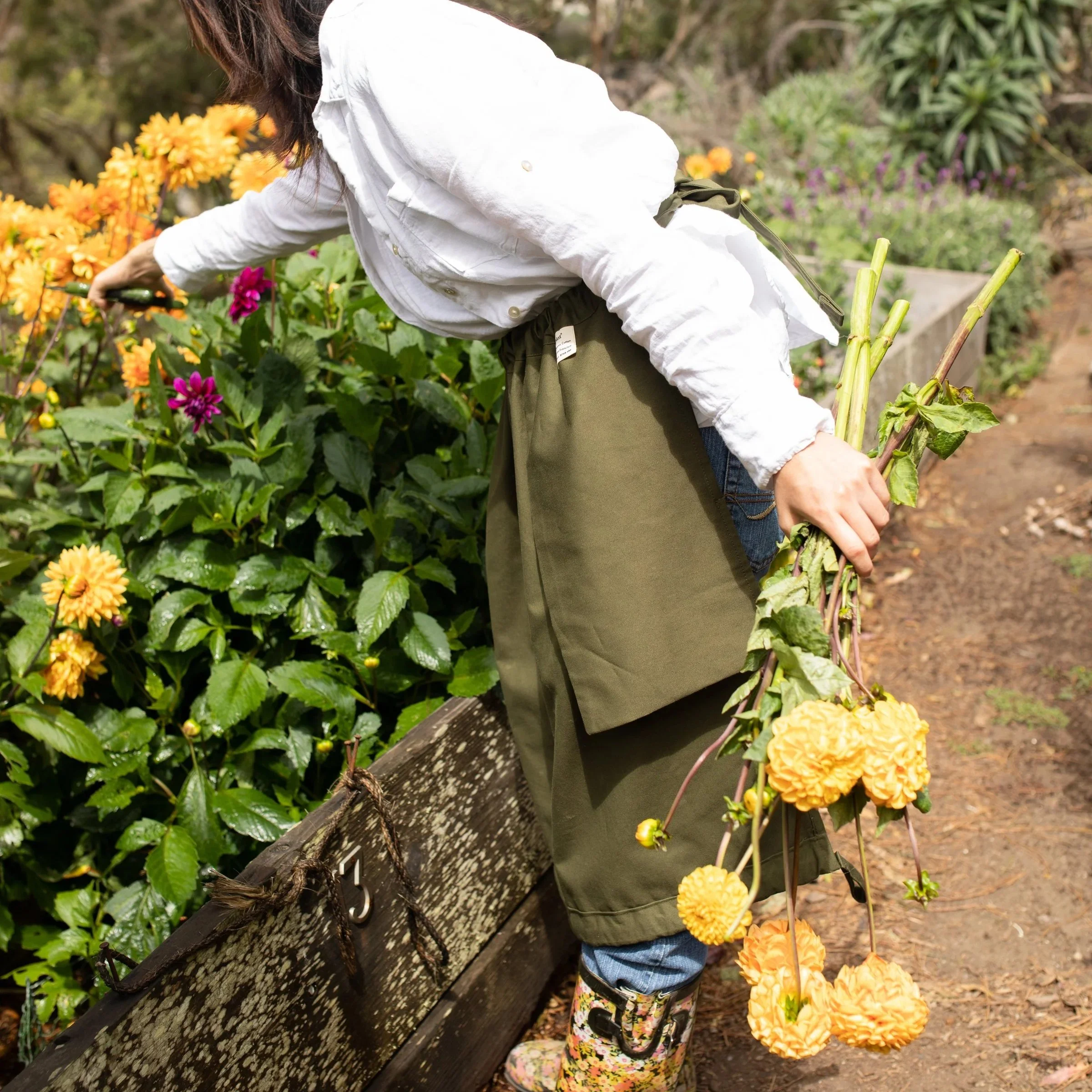
I use science and systems thinking to lead design. My approach is grounded in neuroscience, sensory intelligence, circadian rhythm, biomimicry, and life-centered research. I help teams design products that support human health, behavior, and everyday experience. This investigative approach has helped global brands create new product categories, uncover market insights, and align cross-functional teams around ideas that matter. I take creative risks, apply emerging tools—alternative intelligence and human intuition—and look to nature’s models to inspire new ways of thinking. I’m now expanding this sensory work with generative AI and biomimicry platforms like AskNature.org—designing with human and nature’s intelligence together. Design by Shu →
Design to Learn
Designing how people learn in a changing world
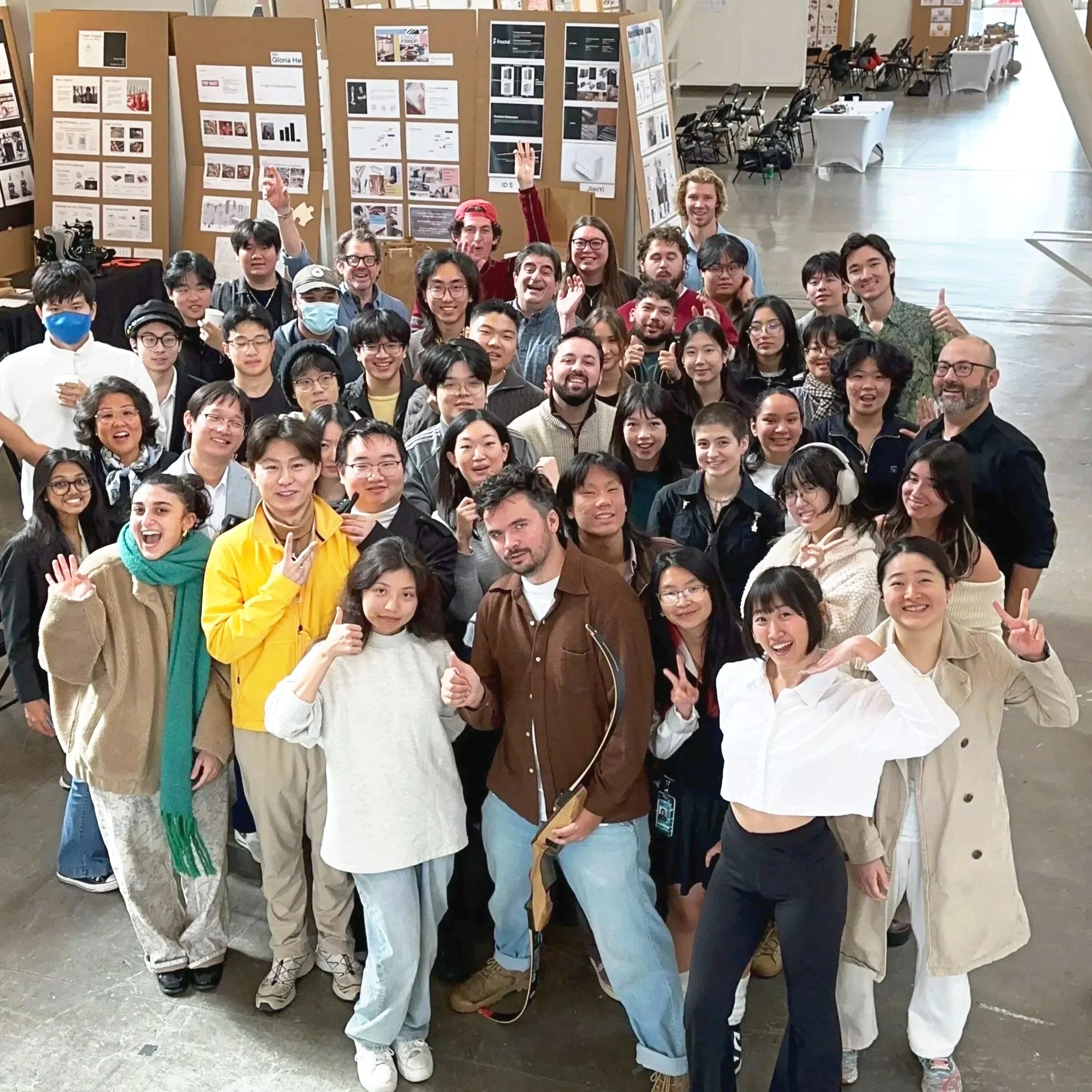
At California College of the Arts, I led a deep research and redesign of the Industrial Design program, building a new learning framework around life centered design, circular economy, material craft, and emerging intelligent tools in everyday studio practice. For the Bachelor of Fine Arts program, I created a new curriculum with clear learning outcomes, rubrics, and workflows that support a student centered experience. The goal is to give students an immersive, sensory rich landscape to explore new tools while staying grounded in real world design practice.
In higher education, I focus on the full journey of learning, from how students first discover a program, to how they move through studios and critiques, to how digital tools support their work. I want hybrid learning, in the classroom and online, to feel seamless, intuitive, and connected. Spending time with students, faculty, and internal operations has changed how I design for human experience. I have seen how aligned workflows and thoughtful communication build confidence and lead to meaningful outcomes for students, faculty, and the institution. This is the kind of learning ecosystem I now design with institutions and partners who want to evolve how people learn. Design by Shu →